Chimney & Fireplace Services in Warwick, RI
Certified Masons LLC is based on Jefferson Boulevard in Warwick. We provide chimney sweeping, inspections, masonry repairs, and fireplace service for homeowners across the city. If you’ve noticed a damp hearth after a storm, crumbling mortar above the roofline, or a fireplace that’s due for a sweep, tell us what you’re seeing when you call. That helps us start with the right part of the system.
A stain on the ceiling next to a chimney and a rusty damper down in the firebox can both involve water, but they give us different places to start looking. We examine the affected areas, explain what we can see, and talk through the work that fits the condition of your chimney.
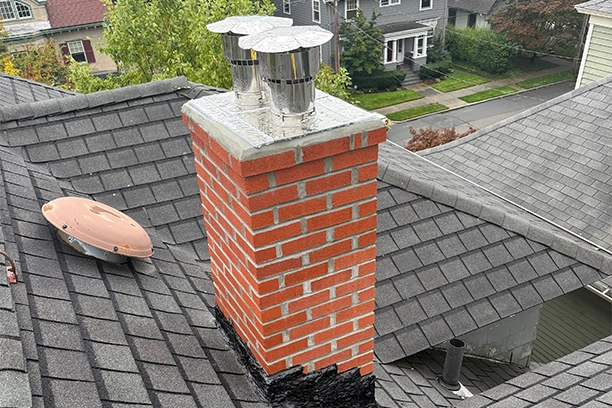
Where We Start With a Warwick Chimney
From homes near Greenwich Bay to older properties in Apponaug, the roof, exterior chimney, and fireplace can each tell a different part of the story. We start with what changed at your home and use that information to narrow the inspection.
Rain Around the Hearth in Oakland Beach or Conimicut
If you see moisture in the firebox after a storm, note whether it appears on the floor, the back wall, or around the damper. That detail helps us decide where to begin checking for water entry.
Open Mortar Joints on an Apponaug Chimney
Apponaug is one of Warwick's historic districts. If you have an older masonry chimney here, tell us about any previous patching you know of. We look at the condition of the existing brick and mortar before recommending repointing or replacement.
A New Stain After Roof Work in Greenwood
A dark mark beside the chimney after a roof replacement is worth flagging. Tell us when the roof was replaced and when the mark first appeared so we can check how the flashing and surrounding roofing meet the chimney.
Chimney and Fireplace Services We Offer in Warwick
Use the table to find the service that matches what you’re noticing. If you have several symptoms, describe them together when you schedule.
| Service | When to Ask About It |
|---|---|
| Chimney sweeping and cleaning | There's soot buildup, or your wood-burning fireplace has gone through a season of regular use. |
| Chimney inspection | Something has changed with the chimney, or you're unsure what condition it's in. |
| Chimney repair | A chimney component is loose, damaged, or no longer working as intended. |
| Chimney masonry | Mortar is washing out, brick faces are flaking, or part of the stack needs rebuilding. |
| Chimney leak repair | Rust, dampness, or staining appears after rain. |
| Chimney liner installation | An inspection finds flue damage, or an appliance change calls for a different liner. |
| Chimney cap installation | The cap is missing, damaged, or loose. |
| Fireplace cleaning | Ash and soot have accumulated around the firebox or other accessible areas. |
| Fireplace repair | The damper sticks or bricks and joints inside the firebox are damaged. |
| Fireplace restoration | Several parts of an existing fireplace need work to return it to usable condition. |
| Stoves, inserts, and fireplaces | You're considering a new hearth appliance and want to understand the venting work it would involve. |
What Is That Stain or Damage Telling You?
Water Runs Down the Wall Beside the Chimney
Take a photo when the stain is fresh and note whether it follows steady rain or a storm with strong wind. We look where the chimney meets the roof and check nearby masonry and the crown. Water can travel before it becomes visible indoors, so the stain gives us a starting point for tracing its path.
The Damper Is Rusty or Water Is Sitting in the Firebox
Tell us if the fireplace was closed and unused when you found the water. We check the cap and flue opening as well as the crown and masonry. The rust shows where moisture reached the metal. The inspection helps determine where it got in.
You're Finding Pieces of Brick or Mortar
If you can see the chimney from the yard, use a photo from ground level to show us where the masonry has changed. Useful details include:
- Brick faces that have peeled or broken away.
- Mortar joints that have recessed or opened.
- Loose fragments on the roof or at the base of the house.
- Cracking or a visible shift along one side of the stack.
Chimney Sweeping for Wood-Burning Fireplaces in Warwick
Fall is a practical time to book your annual chimney inspection and find out whether sweeping is due before the first fire. We protect the work area before using brushes sized for the flue and vacuum equipment to collect loosened material.
A sweep removes soot, creosote, and accessible debris. While working around the firebox and damper, we can flag visible signs such as rust, cracked joints, or heavy deposits. If your main concern is a leak, a change in draft, or possible damage, mention that when booking so we can discuss the appropriate inspection.

When Does Chimney Masonry Need Repointing?
Repointing renews deteriorated mortar joints where the surrounding bricks are still sound. If the brick faces are breaking away or part of the stack has shifted, our chimney masonry work may involve replacing individual bricks or rebuilding the damaged section.
For an older chimney, the condition of the existing brick and earlier patchwork helps guide the choice of repair materials. We also look for moisture around the affected area so you can address what’s contributing to the deterioration.
The Parts We Check When a Chimney Leaks
Cap. Covers the flue opening to help keep out rain, animals, and debris.
Crown. Sheds water away from the top of a masonry chimney. Cracks can let water reach the brickwork underneath.
Flashing. Protects the joint where the roof meets the chimney. We check this area when staining shows up beside the stack or near the ceiling.
Mortar joints. Gaps in the joints can let water into the brickwork, including on the side that takes the brunt of the weather.
On a factory-built chimney housed in a framed chase, the metal chase cover and storm collar are also relevant. The chimney’s construction determines which parts we examine.
Maintain, Repair, Restore, or Replace?
Keep Up With Maintenance
If your fireplace vents properly and there are no new signs of damage, start with an inspection and sweep when deposits warrant it.
Repair the Source of a Leak
A localized problem, such as an open crown crack or deteriorated flashing, may call for work in one area. We explain which parts are involved and what the repair addresses.
Restore an Existing Fireplace
When several areas need work, such as the firebox and the chimney masonry, we can help you plan the sequence around the fireplace you want to keep.
Update the Hearth
If you're looking at an insert or stove, we can discuss the appliance, chimney, and venting together so you know what the installation would require.
Why Warwick Homeowners Choose Certified Masons LLC
Based in Warwick
Our business is based on Jefferson Boulevard in Warwick. Call our team to arrange service at your home.
One Team for Interior and Exterior Chimney Problems
The work can involve a wet firebox indoors and damaged masonry above the roof. We handle chimney inspections, leak repair, and masonry, which lets us follow the problem across those areas.
Repair Options Based on What We Find
If the stack has one deteriorated section, we explain the affected area and the scope of repair. If there are several issues, we explain how they relate and which ones need attention first.
Schedule Chimney Service in Warwick, RI
Call (401) 561-7407 and tell us what you’ve noticed. If rain brings the problem back, tell us when the stain or dampness first appeared. If you’re scheduling maintenance, share when you last used the fireplace and when it was last swept, if known.
Certified Masons LLC
615 Jefferson Blvd STE B105
Warwick, RI 02886
Frequently Asked Questions About Chimney Service in Warwick
Yes. Tell us where the water appears and whether wind was involved. A photo taken when the area is wet can help us trace the path once the stain has dried.
A properly fitted cap can help when rain enters through the flue opening. If water is getting in at the crown, flashing, or mortar, the repair needs to address that area.
It may be efflorescence, a salt deposit that forms as moisture moves through masonry and evaporates. If it keeps returning, share a photo and let us know when you see it so we can look for where water may be entering.
A localized joint may be a candidate for repointing if the surrounding brick is sound. Loose bricks, shifting sections, or widespread damage can require a more extensive repair.
The source of the problem, roof access, and the area affected all matter. Repointing a few joints and rebuilding part of the stack involve different amounts of work. Describe what you can see when you call so we can discuss how to assess the job.