Chimney Sweep & Repair in Cranston, RI
If you’ve moved into a Cranston home and the previous owner left no chimney service records, start with an inspection before using the fireplace. The same applies when you uncover a fireplace during a remodel or plan to replace an older insert. The visible opening gives you little information about the flue liner, the damper, or changes made by previous owners.
Certified Masons LLC provides chimney sweeping, chimney inspections, chimney repair, and fireplace service in Cranston. Tell us how you plan to use the hearth and what you know about its history. We can discuss what to inspect, whether sweeping is needed, and which repairs or venting updates fit your plans.
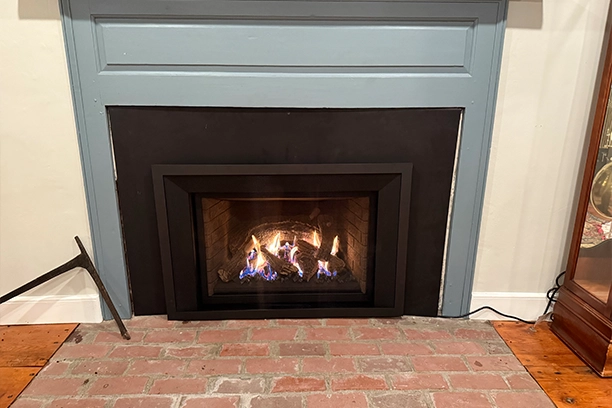
Three Reasons To Take a Closer Look at a Cranston Fireplace
In Edgewood’s historic residential districts and neighborhoods such as Knightsville and Oaklawn, the best clue for planning service is what you know about the fireplace itself. Here are three situations to mention when you call.
You Inherited a Fireplace With the House
If you bought a home in Edgewood and the fireplace was described as usable, look for an inspection report as well as invoices for any liner or repair work. If records are unavailable, tell us when ownership changed and ask about a Level 2 chimney inspection.
You're Opening Up a Room During a Remodel
If you're renovating in Knightsville and plan to expose a bricked-up or covered fireplace, bring up the fireplace before finishes go in. Its firebox, flue, and the surrounding construction may affect what you can do with the opening.
The House Came With an Insert
If your Oaklawn home has an insert, look for the model information or installation paperwork. The appliance type and its connection to the liner help determine how to inspect and service the system.
Chimney and Fireplace Services We Offer in Cranston
Tell us whether you have an open fireplace, wood stove, insert, or a chimney whose use is unknown. That information helps us match your appointment to the system.
| Service | What We Can Help You Figure Out |
|---|---|
| Chimney inspection | What inspection level fits a home purchase, appliance change, or a system with an unknown history? |
| Chimney sweeping and cleaning | Does the flue have enough soot, creosote, or debris to need cleaning? |
| Chimney repair | Which damaged components need attention before you resume using the fireplace? |
| Chimney liner installation | Is the existing liner in suitable condition and compatible with the appliance you plan to use? |
| Chimney masonry | Are the damaged mortar and brick limited to one area, or does a section need rebuilding? |
| Chimney cap installation | Is the flue termination protected by a cap that fits and is secured properly? |
| Chimney leak repair | Where is the water that's rusting the damper or dampening the hearth getting in? |
| Fireplace cleaning | Which accessible areas need soot and ash removed? |
| Fireplace repair | Can you keep the existing hearth by repairing the damper, firebox, or another damaged part? |
| Fireplace restoration | What work would it take to put an older fireplace back into service? |
| Stoves, inserts, and fireplaces | What hearth appliance and venting setup fit your opening and how you plan to heat the room? |
Signs Your Fireplace Needs More Than a Seasonal Sweep
Smoke Spills Into the Room
Keep the fireplace out of use until it’s checked. Tell us whether smoke spilled when the fire was started, during the burn, or when you opened the insert door. A restricted flue, damper problem, or pressure difference in the house can affect draft. Mention recent changes such as a new range hood or tighter windows.
You Found Broken Tile Inside the Firebox
Save a photo of the pieces and where they landed. Fragments can come from different parts of a fireplace or chimney system. If there’s concern about the flue liner, a Level 2 inspection includes examining liner surfaces and joints, typically with a camera or other suitable means.
A Fireplace Smells Even When You Haven't Used It
Note whether the odor gets stronger during humid weather, after rain, or when fans are running. Odors may involve old soot deposits, moisture, or air moving down the chimney. The timing helps us decide what to look at first.
What a Chimney Sweep Visit Can Tell You
Arrange an annual chimney inspection and schedule sweeping when buildup warrants it. We protect the hearth area and use brushes sized to the flue to remove accumulated material. Tell us what you burn and how frequently. A wood stove used several days a week can have a different cleaning schedule from a fireplace used occasionally.
To help us prepare, share what you know before the appointment:
- The type of fireplace or appliance, plus the model if available.
- The date of the last sweep and inspection, if recorded.
- Any liner installation, appliance change, or masonry repair.
- When you first noticed smoke, a sticking damper, or material falling into the firebox.
If you’re booking after a property sale or an appliance change, ask what inspection level you need as part of the visit.

Planning Masonry Repairs Around an Existing Hearth
A cracked firebox joint and a deteriorated chimney stack are two different repair areas. The firebox and smoke passage are exposed to heat. The brickwork above the roof is exposed to weather. We check where the damage starts and how far it extends before recommending fireplace repair or exterior masonry work.
If you want to keep an older surround or mantel, mention that early. The work can then be planned around the parts you want to preserve, with the condition of the firebox, smoke chamber, and venting guiding what needs to be repaired.
Check the Venting Before Choosing an Insert
An insert needs to fit the opening and work with the chimney and its venting. Share the model you’re considering before you buy so we can discuss what the installation involves.
Opening and hearth. Width, height, depth, and clearances help determine which appliances may fit.
Damper area and chimney route. The shape of the passage affects how the new vent connection can be installed.
Flue liner. The liner type, size, and condition need to suit the appliance and its installation requirements.
Chimney termination. The liner, top termination, and cap need to work together as part of the venting system.
What Do You Want the Hearth To Do?
Use the Existing Fireplace Occasionally
If records are current and the setup hasn't changed, ask about a routine inspection and whether the amount of buildup calls for a sweep.
Fix a Specific Defect
If the damper sticks or mortar has opened in the firebox, start with an assessment of that component and the areas directly around it.
Bring an Older Fireplace Back Into Use
If the fireplace has been idle for years, find out what condition the firebox, damper, and flue are in before deciding how much restoration makes sense.
Switch to a Different Appliance
If you want an insert or stove for more regular use, start with your heating goals and an assessment of the existing chimney. The findings help narrow the choice of appliance and liner.
Why Cranston Homeowners Choose Certified Masons LLC
A Starting Point for an Unfamiliar System
We can begin with the appliance you have and whatever records came with it. If information is missing, we'll discuss the inspection that fits what you want to do next.
Fireplace and Liner Work With One Team
When you're updating the hearth, we can discuss the fireplace opening, the appliance, and the vent path together. That's useful when a change in one part affects what the other parts need.
A Clear Order for the Work
If the inspection shows more than one issue, we explain what needs attention before use and what work can be planned around your renovation or installation.
Schedule Chimney Service in Cranston, RI
Call (401) 561-7407 to arrange service in Cranston. Tell us whether you’re preparing for regular use, checking a newly purchased home, or planning an insert. If you have a prior inspection report or know the appliance model, have that information handy when you call.
Certified Masons LLC
615 Jefferson Blvd STE B105
Warwick, RI 02886
Frequently Asked Questions About Chimney Service in Cranston
Ask for a Level 2 chimney inspection after a property sale or transfer. It includes checking the inside surfaces and joints of the flue liner and examining accessible portions of the chimney in areas such as the attic or basement. Share any inspection report that came with the home.
Arrange an inspection before the first fire. A long period of disuse can leave you with an unknown flue condition, animal debris, or an older venting setup that needs evaluation.
That depends on the insert and the size, material, and condition of the existing venting. We review the appliance's installation requirements and assess the chimney before recommending the liner setup.
It can. A fan that removes air from the house can contribute to poor draft in some homes. If smoke has entered the room, keep the fireplace out of use until it's checked and tell us which fans were running when it happened.
Often the feasibility depends on where the damage is and whether the existing clearances are suitable for the planned use. Tell us which parts you want to keep so we can discuss them while assessing the firebox, chimney, and proposed repair.